

The car sill is the unsung strip of metal you step over every single day without a second thought.
It does not roar like an engine. It does not gleam like freshly polished paint. It certainly does not boast about horsepower at dinner parties. Yet there it is, running quietly along the lower edge of your vehicle’s doorway, performing its duties with the calm confidence of someone who knows the whole structure would wobble without it.
Let us give this humble hero its overdue spotlight.
Table of Contents
The Quiet Guardian of Structure
If vehicles had skeletons, the lower frame would be the shinbone, taking knocks, supporting weight, and generally refusing to give up. That is essentially the role played by this overlooked strip of reinforced metal. It connects the front and rear of the body shell and helps keep the entire structure rigid. When you corner sharply or drive over uneven roads, that lower section absorbs stress and distributes force across the chassis.
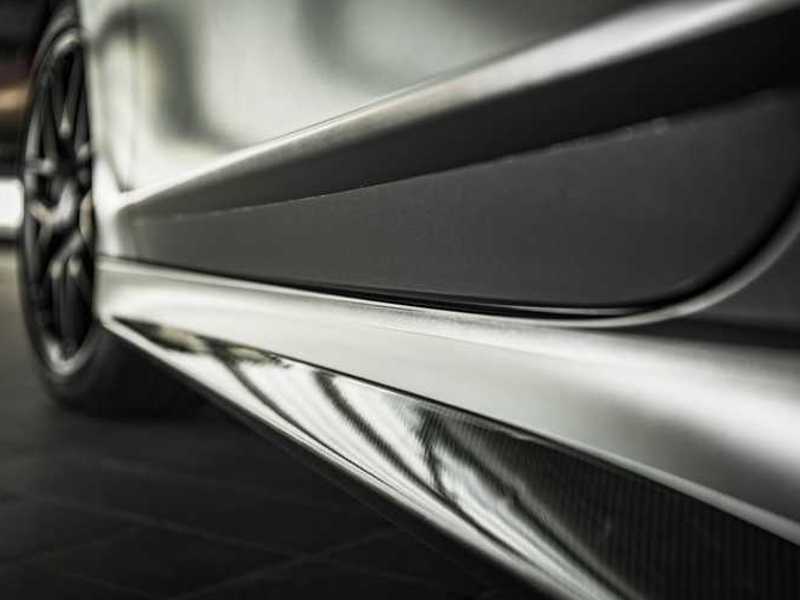
Without it, your vehicle would flex more than a yoga instructor on a tropical retreat. Doors might not align properly. Panels could creak. Over time, structural weakness would become more than an inconvenience.
Car manufacturers engineer this area with serious intent. Modern designs often include reinforced steel, strategic weld points, and sometimes additional protective coatings. In crash scenarios, this lower frame also contributes to side impact resistance. It is not merely a step. It is part of the safety network that quietly stands between you and chaos.
Why Designers Care More Than You Think
Car designers obsess over surfaces. Curves are sculpted. Edges are refined. Reflections are studied under studio lights. Yet even in that glamorous world, attention extends downward.
The area along the door opening affects how the vehicle feels when you enter it. A higher sill can create a sporty, cocooned sensation. A lower one can make access easier, which is why many family vehicles keep that edge modest and welcoming. Sports cars, by contrast, sometimes feature taller and wider versions that hint at stiffness and performance.

Open the door of a coupe and you might notice a brushed metal plate or illuminated trim. That decorative panel often covers and protects the structural section beneath. Branding may be stamped there, almost like a signature on a painting. Designers know you see it every time you get in or out, so it becomes part of the daily ritual.
It is fascinating how something so structural also becomes theatrical.
The Car Sill and Everyday Abuse
Let us talk about shoes. Muddy boots. High heels. Trainers after a rainy five a side match. Every time you enter or exit your vehicle, there is a little bit of friction and debris created along with an unintentional kick. Over time, those contact points can scratch the paint and/or wear away the protective coatings that were applied to the surface of your wrapped vehicle.
That’s part of the reason we use protective plates and trim pieces. They act as a sacrificial layer to absorb any scuffs before exposing any metal underneath. When those areas go unprotected and neglected, water can make its way in. At first, rust is not very noticeable – it starts as a minor stain and gradually increases in size.
By frequent cleaning, you will be amazed at how much difference it will make. For example, by wiping off dirt or moisture after washing your car, you will prevent the accumulation of both on your wrapped car’s surface. By waxing or sealing the painted surfaces of your vehicle, you will help to protect the finish. Although it will take very little time, regular maintenance is usually neglected because of the tendency of people to pay attention to the upper part of their car (the bonnet and doors).
Meanwhile, that lower edge keeps enduring.
A Closer Look at Engineering
The underneath of the exterior has multiple layers with an outer surface, a reinforcing structure on the inside and a middle strengthening component (in some cases).
- These layers are welded together using spot welding so that it forms a box shape, which adds strength and support to the vehicle.
- In the case of unibody construction (which is used on most contemporary cars), the component becomes part of the structural integrity of the body.
- It will help provide added resistance to any torsional loading (for example, when the left front wheel of a vehicle goes through a pothole, the rest of the vehicle will not twist or move in an erratic manner).
- In some high-performance models, additional reinforcing and support will be added to improve the structural rigidity of the vehicle.
- This increased rigidity will improve the way the vehicle handles and reduce unwanted movement from the suspension systems.
This will be measured using a scale of torsional sensitivity, in Newton meters/degree. Although this sounds very technical, you will be able to see the results at all times. The car feels solid. Doors close with a reassuring thud rather than a tinny clang.
The car sill may never be visible in a glossy brochure, yet its engineering is anything but casual.
When Things Go Wrong
Rust is the most common enemy. Water can collect along seams, especially in older vehicles or in regions with heavy rainfall. If drainage holes become blocked, moisture lingers. Over years, corrosion can compromise structural integrity.
Accidents can also damage this lower frame. Even minor side impacts or improper jacking can cause dents or distortions. If you have ever seen a car lifted incorrectly, with a jack placed in the wrong spot, you may have witnessed the unfortunate aftermath. Bent metal, cracked coatings, and long term weakness can follow.
Repairing structural sections requires skill. Body shops often cut out corroded areas and weld in new metal sections. Precision matters because alignment affects door fit and overall safety. It is not simply cosmetic patchwork. It is structural surgery.
Ignoring damage is rarely wise. What begins as a small bubble of rust can spread invisibly beneath paint. Addressing issues early saves both money and headaches.
A Ritual You Perform Daily
Think about how many times you cross that threshold in a week. Commuting. Grocery runs. Weekend drives. Each entry is a small choreography. Hand on the door. Foot over the lower edge. Slide into the seat.
Now imagine if that edge were flimsy. If it flexed under pressure or creaked in protest. You would notice immediately. Confidence and trust are created based on things you don’t even realize exist.
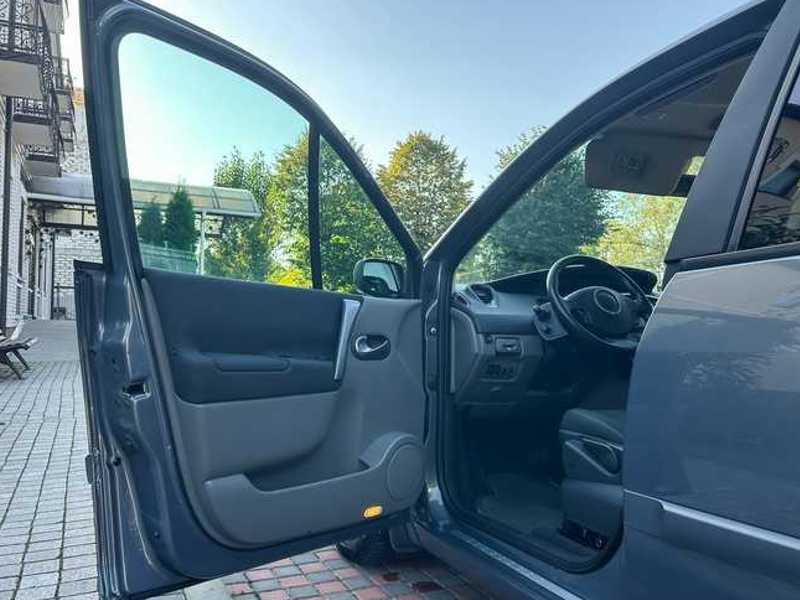
A very comforting thought is knowing that underneath the beautiful, shiny paint and luxurious upholstery of your vehicle is a strong, soundly built structure supporting your vehicle during each trip. This structure silently absorbs all the forces acting on the vehicle and provides protection from corrosion and supports your vehicle.
You might want to show appreciation for the support provided by this structure as you get into your vehicle.
The Unsung Threshold
We celebrate engines for power. We praise suspension for comfort. We admire bodywork for style. Yet the threshold between outside and inside rarely receives applause.
It supports. It protects. It shapes the feel of entry and exit. It contributes to crash safety and overall rigidity. It endures scuffs, scrapes, and the daily grind without complaint.
So the next time you open your door and step across that modest strip of reinforced metal, remember that the car sill has been there all along, doing the hard work quietly and proving that greatness sometimes lives exactly where you place your foot on the car sill.