

Universal roof racks saved my dignity in a supermarket car park on a humid Saturday afternoon. There I was, attempting to slide a flat packed bookshelf into a hatchback clearly designed for optimism rather than practicality. A kind stranger watched as I tried angles that defied geometry. That was the day I realised two things. First, I should measure before buying furniture. Second, there is a quiet hero sitting on top of many cars, waiting to turn chaos into competence.
Let us talk about that hero.
Table of Contents
The Day Your Car Admits It Is Not Enough
Cars are marketed as freedom machines. They glide along coastal roads in adverts, carrying surfboards, mountain bikes, and improbably cheerful families. In reality, most of us drive compact vehicles that politely suggest we pack light. Life, however, refuses to pack light. Life brings camping gear, kayaks, ladders, prams, skis, and that bookshelf.
Roof racks step in when your boot taps out.
What makes them especially appealing is versatility. You do not need a rugged off road vehicle or a giant estate car to carry serious gear. With the right setup, even a modest city runabout can transport bikes for a countryside escape or a roof box full of holiday luggage. The transformation is oddly satisfying. Your sensible commuter suddenly looks like it has weekend plans.
Why Universal Roof Racks Are the Swiss Army Knife of Cars
Here is where universal roof racks earn their reputation. Instead of being tailored to one specific make and model, they are designed to fit a wide range of vehicles. That adaptability is the secret sauce.

Most systems rely on adjustable crossbars and mounting feet that clamp onto factory roof rails or door frames. The clever engineering allows them to grip securely without turning your paintwork into a horror story. For drivers who change cars every few years, this flexibility can be a financial win. Rather than buying a brand new system each time, you may only need minor adjustments or new fitting kits.
There is also a democratic charm to the concept. You do not need a niche vehicle to live an adventurous life. A practical family hatchback can carry a kayak. A compact SUV can haul building materials. A small saloon can suddenly host a sleek cargo box that swallows suitcases like a polite but efficient butler.
What They Actually Carry and How
It is easy to imagine roof racks as two metal bars and a hopeful attitude. In practice, they are a foundation for a whole ecosystem of attachments.
Bike carriers clip on and hold frames upright, turning your car into a mobile peloton. Roof boxes provide weatherproof storage for luggage, keeping the cabin blissfully free of clutter. Kayak and canoe mounts cradle boats securely, while ski and snowboard holders clamp down on winter gear with reassuring firmness. Tradespeople use ladder racks to transport long materials that would never fit inside.
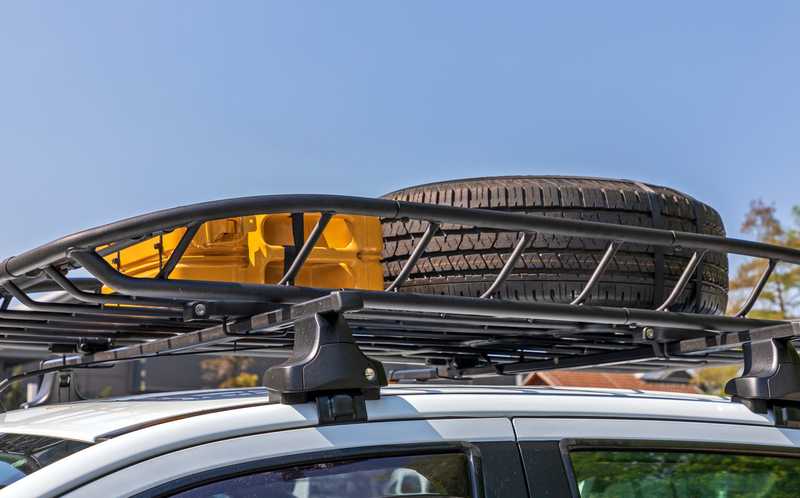
The key is weight distribution and load limits. Every vehicle has a maximum roof load rating set by the manufacturer. Exceeding that number is not just unwise, it can affect handling and braking. The rack itself also has a weight limit. The responsible approach is to check both figures and use the lower one as your guide.
Loading technique matters too. Heavier items should sit centrally and as low as possible within a roof box. Straps must be tight, but not so aggressive that they damage the cargo. A quick shake test before driving off is a good ritual. If it moves when you push it, it will move more when the wind joins the conversation.
The Fine Art of Choosing the Right System
Selecting the right rack is part science, part self awareness. Start by considering your roof type. Some cars have raised rails, others have flush rails, and some have no rails at all. The mounting method depends on this detail. A quick glance at your vehicle manual will clarify what is possible.
Next, think about frequency. If you only need extra capacity once a year for a summer holiday, a basic system and a compact roof box may be sufficient. If you are a regular cyclist or outdoor enthusiast, investing in higher quality bars and dedicated carriers makes sense. Durability and ease of installation become more important when you are fitting and removing accessories often.
Noise is another factor people rarely consider until it is too late. Poorly fitted racks can hum at motorway speeds, turning a peaceful journey into a low budget symphony. Aerodynamic crossbars reduce wind resistance and help maintain fuel efficiency. They also look sleeker, which matters more than most of us care to admit.
Security should not be overlooked. Many modern systems include locks on both the bars and the attachments. This discourages opportunistic theft and allows you to park with greater peace of mind. While nothing is entirely foolproof, visible security features can be a strong deterrent.
Universal Roof Racks in Real Life
Let us return to real world scenarios. Imagine a family road trip. The boot fills quickly with pushchairs, cool boxes, and emergency snacks. The cabin becomes a negotiation over legroom. By adding universal roof racks and a spacious roof box, you reclaim breathing space. Suddenly, the back seat is for passengers, not piles of luggage.

Or consider a weekend renovation project. Timber lengths that once required an awkward van rental can now travel securely overhead. The satisfaction of driving home with supplies neatly strapped to the roof is oddly empowering. You look like someone who has a plan.
Outdoor hobbies benefit even more. Cyclists can transport bikes without removing wheels or wrestling frames through doorways. Kayakers can head to the water without borrowing a friend with a pickup truck. Skiers can keep damp gear outside the cabin, preserving both upholstery and dignity.
The Subtle Shift in How You Use Your Car
Something interesting happens when your car gains extra carrying capacity. You begin to say yes more often. Yes to a spontaneous camping trip. Yes to helping a friend move a piece of furniture. Yes to buying that large plant you definitely do not need but absolutely want.
The car becomes less of a limitation and more of a partner. It feels capable. That feeling has value beyond practicality.
Of course, responsibility travels with that capability. Increased height means you must remember car park barriers. Extra load affects fuel consumption and handling. It is wise to adjust driving style accordingly, allowing more braking distance and taking corners with a touch more respect.
Yet these are small trade offs for expanded possibility.
Maintenance and Common Sense
Roof racks are not fit and forget accessories. Periodic checks are essential. Bolts can loosen over time, especially after long journeys or exposure to changing temperatures. A quick inspection before major trips should become habit.
Cleaning matters too. Road grime and salt can accumulate on metal components, particularly in coastal or winter conditions. Wiping down bars and mounts helps preserve their finish and functionality. When not in use, removing the system can extend its lifespan and reduce wind noise.
Storage is straightforward. Many racks disassemble into manageable sections that fit in a garage or cupboard. Labeling parts and keeping instructions handy saves frustration months later.
For anyone who has ever tried to wedge ambition into a vehicle that simply was not designed for it, the solution might be sitting a few inches above eye level, embodied in a pair of well chosen universal roof racks.
Articles from the same category:
- Solutions for comfortable travel by car
- Everything you Need to Know about Roof Bars
- Efficient Additional Transport Systems
- Luggage on board and car space
- Top Rated Car Phone Holders
- Make the Right Choice Between Aluminum and Steel Roof Racks for Commercial Vehicles
- How the lights in our vehicles work